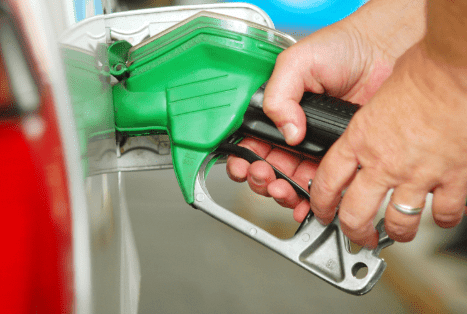
In New Zealand you’ll usually find petrol in 91, 95 and 98 octane.
Higher octane fuels can handle more pressure before they ignite, which helps prevent engine knock. Modern engines with higher compression ratios, turbochargers, or more advanced engine management systems are often designed to run on a specific grade so they can deliver the right power, fuel economy and emissions performance.
At Automotive Solutions Kauri we see the real‑world effects of fuel choice every week. Northland drivers use their vehicles for all sorts of jobs; farm utes crawling through paddocks, runabouts towing the boat to the ramp, and everyday commuters heading up and down SH1. Each of these puts different loads on the engine, and the wrong fuel can make those stresses worse.
Running a lower octane fuel than your vehicle is designed for can lead to knocking and pre‑ignition. Over time, that can damage pistons, rings, cylinder walls, valves, spark plugs and head gaskets. It also raises combustion temperatures, which can shorten the life of your catalytic converter. We often see this in turbo utes that have been worked hard on 91 when the manufacturer actually specifies 95 or 98.
Boats and outboards are another one to keep an eye on. Many modern four‑stroke outboards and higher‑performance two‑strokes are tuned for 95 octane. Using the right fuel helps them start cleanly, idle smoothly at low speeds, and avoid detonation when you’re pushing out of the harbour or towing a skier.
Whether it’s your farm ute, your daily driver, or the boat you take out on weekends, sticking to the manufacturer’s recommended octane rating; 91, 95 or 98 is one of the simplest ways to protect your engine and avoid unnecessary repair bills.
If you’re unsure what your vehicle or outboard should be running, our team can check the specs and point you in the right direction.