This time of the year brings a big jump in trailer use around northland with boats heading for the coast, farm trailers shifting gear, and general hauling between properties. Most locals are confident towers, but a quick seasonal refresher helps keep everything safe and compliant and avoids the common issues when you’re dusting off your trailer after the winter.
Safety Chains: Match Them to Your Trailer Weight
Before you hitch up, check your trailer’s weight class and make sure the chains match:
0–2,000kg: one rated safety chain
2,001–2,500kg: two rated safety chains, crossed
2,501–3,500kg: breakaway system preferred, but two correctly rated and crossed chains are still legally acceptable
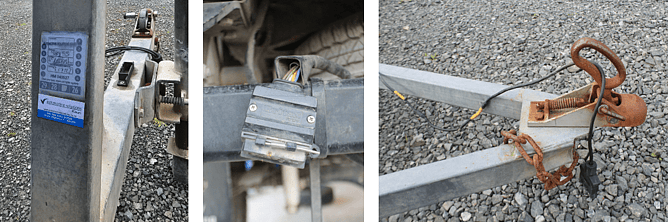
Chains shouldn’t drag, shouldn’t be twisted, and must be attached using proper mechanical fixtures. For a deeper dive into chain ratings and attachment methods, Trailparts has a clear breakdown on their website here.
Lights, Couplings and Tow Balls
These are the most common faults we see during trailer warrants:
Current WoF, registration label, and a plate that’s visible and lit by a white light
Working stop lights, taillights, indicators and reflectors
Forward‑facing position lights on trailers over 2 metres wide
Tow ball and coupling that match, in New Zealand we use both 1 7/8 inch and 50mm
If your load blocks the lights or plate, fit temporary lights or a supplementary plate. It’s a legal requirement and an easy fix.
Trailer Maintenance: Don’t Leave It Until You’re Loaded
A lot of summer towing failures come down to simple maintenance. Before the season gets busy:
Check the WoF expiry
Inspect tyres for cracking, low tread or low pressure
Test all lights
Clean lights and reflectors
Make sure the coupling and brake mechanisms are lubricated
Jack it up and check the wheels. When you spin them, or give them a wiggle, listen out for rumbling as means worn bearings
Check tie‑down points, chains and shackles
If your trailer has been parked up all winter, these checks are essential. A quick inspection now saves breakdowns later.
Load Balance: The Part Experienced Towers Still Get Caught Out On
Every light vehicle and trailer combination must be able to stop within seven metres from 30km/h. Poor load placement is one of the fastest ways to fail that requirement, and it’s also one of the most common causes of trailer sway or tail‑wag, particularly with caravans, which are more sensitive to weight sitting too far back.
Key reminders:
Keep the load low and spread evenly
Stack heavier items at the bottom
Avoid projecting loads: standard towing width is 2.5 metres
Position weight close to the axle, not at the rear
Aim for a downward force of around 10% of the trailer plus load weight on the towbar (within the towbar’s rating)
Secure everything, loads shift under braking, turning and bumps
Farmers know this well: a poorly balanced trailer can sway or wag even at low speeds on gravel.
Book Your Trailer's WoF Before Summer Hits
If you’re planning a busy season of towing, now’s the time to get your trailer checked. At Automotive Solutions Kauri, we handle trailer WoFs, bearings, lights, couplings and general maintenance, the things that keep you safe on the road and save you hassle at the ramp or on the farm.
Bring your trailer in and we’ll make sure it’s ready for summer hauling.